Hair loss is a growing concern among men in Bangladesh, especially those experiencing male pattern baldness (androgenetic alopecia). Many men begin to notice a receding hairline or thinning crown in their late twenties or early thirties. Among the most widely recommended treatments by dermatologists is finasteride, a medication that slows hair loss by addressing the hormonal cause.
Finasteride has been clinically proven to reduce hair thinning and help maintain existing hair. However, many people also have questions regarding finasteride side effects, long-term safety, and concerns such as the effects of finasteride on semen and fertility.
Understanding how this medication works can help individuals make informed decisions about their hair loss treatment.
Table of Contents
What is Finasteride?
Finasteride is an oral medication primarily used to treat male pattern baldness and benign prostatic hyperplasia (BPH). For hair loss treatment, it is typically prescribed at a daily dose of 1 mg.
The medication works by blocking an enzyme called 5-alpha reductase, which converts testosterone into dihydrotestosterone (DHT).
DHT is the main hormone responsible for shrinking hair follicles in individuals with genetic hair loss. When DHT levels in the scalp increase, hair follicles gradually shrink and produce thinner hair strands until hair growth eventually stops.
By reducing DHT levels, finasteride helps:
- Slow down the progression of hair loss
- Protect existing hair follicles
- Promote thicker hair growth in some individuals
This mechanism makes finasteride one of the most effective DHT (dihydrotestosterone) blocker medications for androgenetic alopecia, a common form of hair loss.
How Finasteride Works for Male Pattern Baldness
Male pattern baldness occurs due to genetic sensitivity to DHT hormones. Finasteride works by lowering DHT levels in the scalp by approximately 60–70 percent.
This reduction helps prevent further follicle damage and allows weakened hair follicles to recover.
Key benefits of finasteride treatment
- Reduces scalp DHT levels
- Slows down hair loss progression
- Improves hair density over time
- Helps maintain existing hair
- Works well for crown and mid-scalp thinning
Most men begin noticing reduced hair shedding within 3 to 4 months, while visible hair improvement may appear between 6 and 12 months of continuous treatment.
However, the medication must be used consistently. If a person stops taking finasteride, hair loss usually resumes within several months.
Finasteride Dosage for Hair Loss
For treating androgenetic alopecia, dermatologists typically prescribe 1 mg of finasteride daily.
Higher doses, such as 5 mg, are generally used for prostate conditions rather than hair loss, as they are not effective for treating androgenetic alopecia and may increase the risk of side effects.
Important usage guidelines
- Take one tablet daily at the same time.
- Results require continuous, long-term use
- Missing occasional doses does not significantly affect results.
- Always use under medical supervision.
Patients in Bangladesh can obtain finasteride through dermatology clinics or licensed pharmacies.
The Effects of Finasteride on Semen and Male Fertility
One of the most commonly searched concerns regarding finasteride is its potential impact on male fertility and semen quality.
Research shows that finasteride may cause temporary changes in semen parameters in some individuals, although these changes are usually mild and reversible.
Possible effects on semen
Some studies have observed:
- Slight reduction in semen volume
- Mild decrease in sperm count in certain individuals
- Changes in sperm motility in rare cases
However, most men taking 1 mg of finasteride for hair loss do not experience significant fertility problems.
In many cases, semen parameters return to normal after stopping the medication. Men who are actively planning to conceive may consult a doctor before starting finasteride treatment.
Side Effects of Finasteride
Finasteride is generally well-tolerated, but like all medications, it may cause side effects in some individuals.
Common side effects
- Reduced libido
- Erectile dysfunction
- Decreased semen volume
- Mild breast tenderness
These side effects are reported in about 1–2 percent of users.
Most side effects improve after discontinuing the medication. Many dermatologists consider finasteride safe when used under proper medical guidance.
Finasteride vs. Minoxidil for Hair Loss
Finasteride is often compared with minoxidil, another popular hair loss treatment.
Finasteride
- Oral medication
- Reduces DHT hormone
- Targets the root cause of hair loss
- Helps prevent further hair thinning
Minoxidil
- Topical solution or foam
- Stimulates hair follicles directly
- Improves blood flow to the scalp
- Helps promote hair growth
Many dermatologists recommend combining finasteride and minoxidil for better long-term hair maintenance.
Who Should Use Finasteride?
Finasteride is most effective for men who are in the early stages of male pattern baldness.
Ideal candidates include:
- Men with a receding hairline (Norwood 2 or 3)
- Individuals with crown thinning
- Men between the ages of 18 and 45 are experiencing genetic hair loss
Finasteride is not recommended for women, particularly during pregnancy.
Finasteride Treatment in Bangladesh
Hair loss awareness has increased significantly in Bangladesh, and more men are seeking medical treatments instead of relying on home remedies.
Dermatologists in major cities such as Dhaka, Chittagong, and Sylhet frequently prescribe finasteride as part of a complete plan for treating hair loss.
Treatment may include:
- Finasteride medication
- Minoxidil topical therapy
- PRP therapy
- Nutritional support
- Hair transplant surgery for advanced baldness
Early treatment often produces the best results.
Why Choose Hairfree & Hairgrow Hair Loss & Hair Transplant Clinic in Dhaka?
When choosing a clinic for hair loss treatment, expertise and technology play an important role in achieving successful outcomes. Among the many hair treatment centers in Dhaka, Hairfree & Hairgrow Hair Loss & Hair Transplant Clinic is recognized for providing advanced hair restoration solutions.
Reasons patients choose the Hairfree & Hairgrow clinic:
- Experienced hair transplant specialists
The clinic focuses on modern hair restoration procedures performed by trained specialists with extensive experience in treating male pattern baldness.
- Advanced hair transplant techniques
Patients benefit from modern techniques such as FUE (Follicular Unit Extraction) and sapphire hair transplants, which help achieve natural-looking hairlines and minimal scarring.
- Personalized hair loss treatment plans
Each patient receives an individualized treatment plan based on their hair loss stage, scalp condition, and long-term goals.
- Comprehensive hair restoration solutions
The clinic offers a complete range of treatments, including:
- Medical treatment for hair loss
- Finasteride and medication management
- PRP therapy for hair growth
- Advanced hair transplant procedures
Among the 100+ hair clinics in Dhaka, Hairfree & Hairgrow has gained recognition for patient satisfaction, natural results, and modern treatment technology.
Conclusion
Finasteride remains one of the most effective medications available for treating male pattern baldness. Reducing DHT (dihydrotestosterone) levels, it helps slow hair loss and protect existing hair follicles.
While some individuals worry about the effects of finasteride on semen or fertility, current research suggests that these changes are typically mild and reversible. Finasteride, when used under medical supervision, is a safe and effective way to maintain hair density for the majority of men.
Men experiencing early signs of hair thinning in Bangladesh should consider consulting a qualified dermatologist to explore whether finasteride is the right treatment option.
FAQ
1. Does finasteride regrow hair?
Finasteride can help regrow hair in some men, particularly in the crown area. However, its primary benefit is slowing down hair loss and maintaining existing hair.
2. How long does finasteride take to work?
Most people start noticing reduced hair shedding within 3–4 months, while visible improvement usually appears after 6–12 months.
3. Does finasteride affect sperm count?
Finasteride may cause minor changes in sperm count or semen volume in some individuals, but these effects are generally reversible after stopping the medication.
4. Is finasteride available in Bangladesh?
Yes, finasteride is available in Bangladesh through dermatology clinics and pharmacies with a doctor’s prescription.
5. Can finasteride be used with minoxidil?
Yes, many dermatologists recommend using finasteride together with minoxidil to achieve better hair growth results.
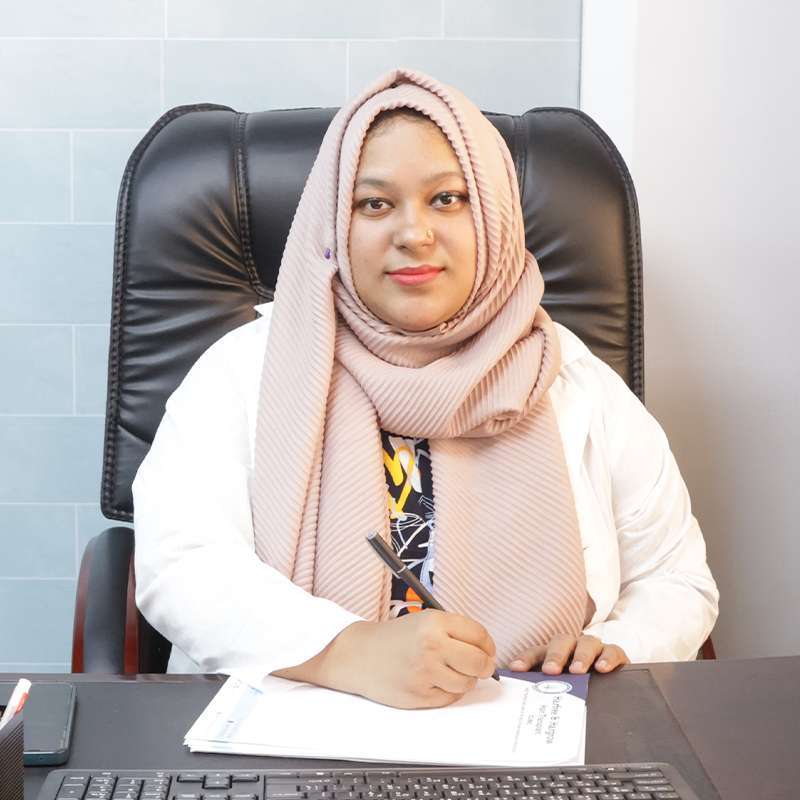
Reviewed By
Medical Officer & Hair Transplant Surgeon
Dr. Nazmin Sultana Nipa is a distinguished hair transplant doctor in Bangladesh, known for her advanced skills in hair restoration. As a Medical Officer and Hair Transplant Surgeon, Dr. Nipa combines her extensive experience in the field with a focus on transparency and patient-centered care.
Disclaimer
We’ve made all possible efforts to ensure that the information provided here is accurate, up-to-date and complete, however, it should not be treated as a substitute for professional medical advice, diagnosis or treatment. See Detailed Disclaimers Here.